
Sometimes it takes a child a couple of attempts before they can find the right words. When you pause before jumping to interpret what of they might mean, you’re first giving them a chance to engage in verbal communication. You then can step in and give them the words if […]
Monthly Archives: October 2019
10 posts
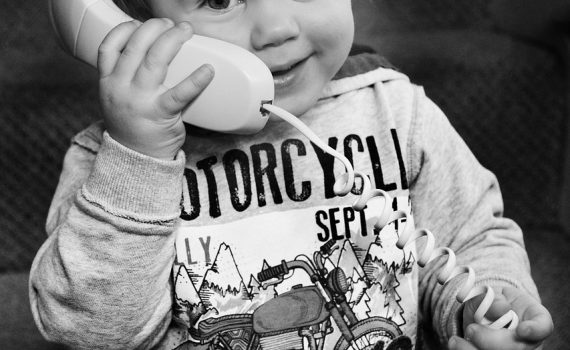
You should not be simplifying the language (i.e. cutting out words or letters of what you’re saying). When you are talking, you are also modeling and teaching grammar and vocabulary. If simpler is better with your child, you can start with simple phrases.

You can start teaching your baby sign language even if they can’t sign back yet. Learning sign language allows your child to communicate with you before they’re verbal and helps reduce frustration caused by misunderstanding their needs or desires.
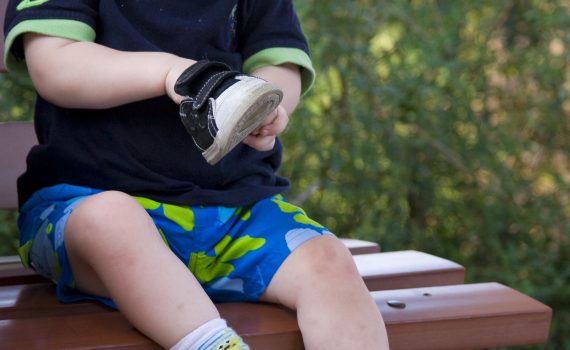
The more variance in voice pitch and exaggerated the speech, the more one year olds will babble in response and in general. To do this, you can stretch out vowels on key words such as, “where are your shooooes?”
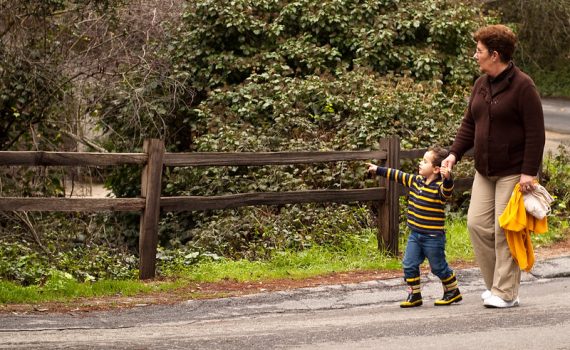
Show your child how important communication is by responding quickly to all their attempts to communicate, including words and gestures. It also gives you an opportunity to interpret what they are trying to communicate and expand with more detail.

It may seem excessive, but constant talking to your child (and yourself) help nourish their brains. The interaction stimulates the brain for language and helps your child develop vocabulary within context. Children naturally soak up language in their environment.
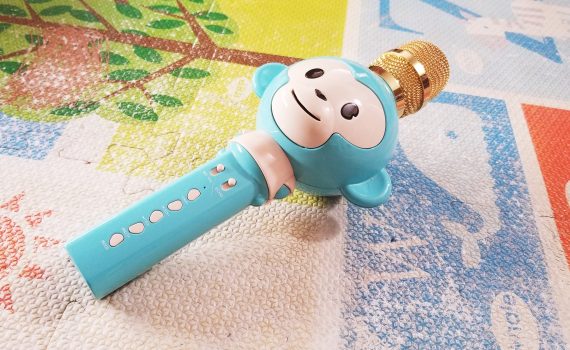
Singing helps with pre-reading skills such as rhyming and sound sequencing. Kid favorites include “Head and Shoulders” for body parts, “Wheels on the Bus” for hand movements, “Old McDonald Had A Farm” for animals and sounds. Once a child is familiar with the song, try to take turns singing. You […]

Give basic commands. For example, say “Simon Says, clap your hands” and demonstrate so that he or she can copy. Go through other actions, such as jump, pointing to different prats of the body, stick out tongue, raising their hands up, and running in place.
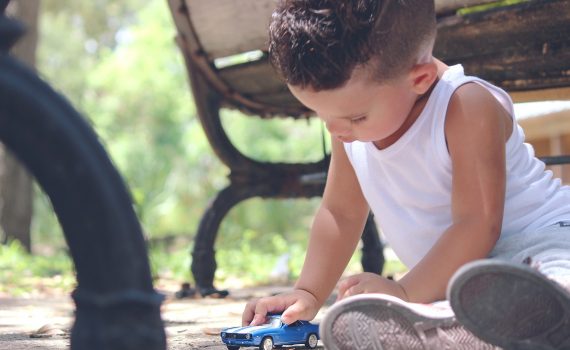
When your child starts to identify objects, add more detail using short phrases. For example, if your toddler points out and says “car” you can respond with “yes, a blue car.” You will encourage your toddler to put together words and use simple two word phrases.

Known as “dialogic reading,” encourage your child to engage physically with the book and engage in conversation. For example, as a child looks at the cover of the book, ask him or her to predict what will happen in the story. Ask open ended questions and respond to the child’s […]